


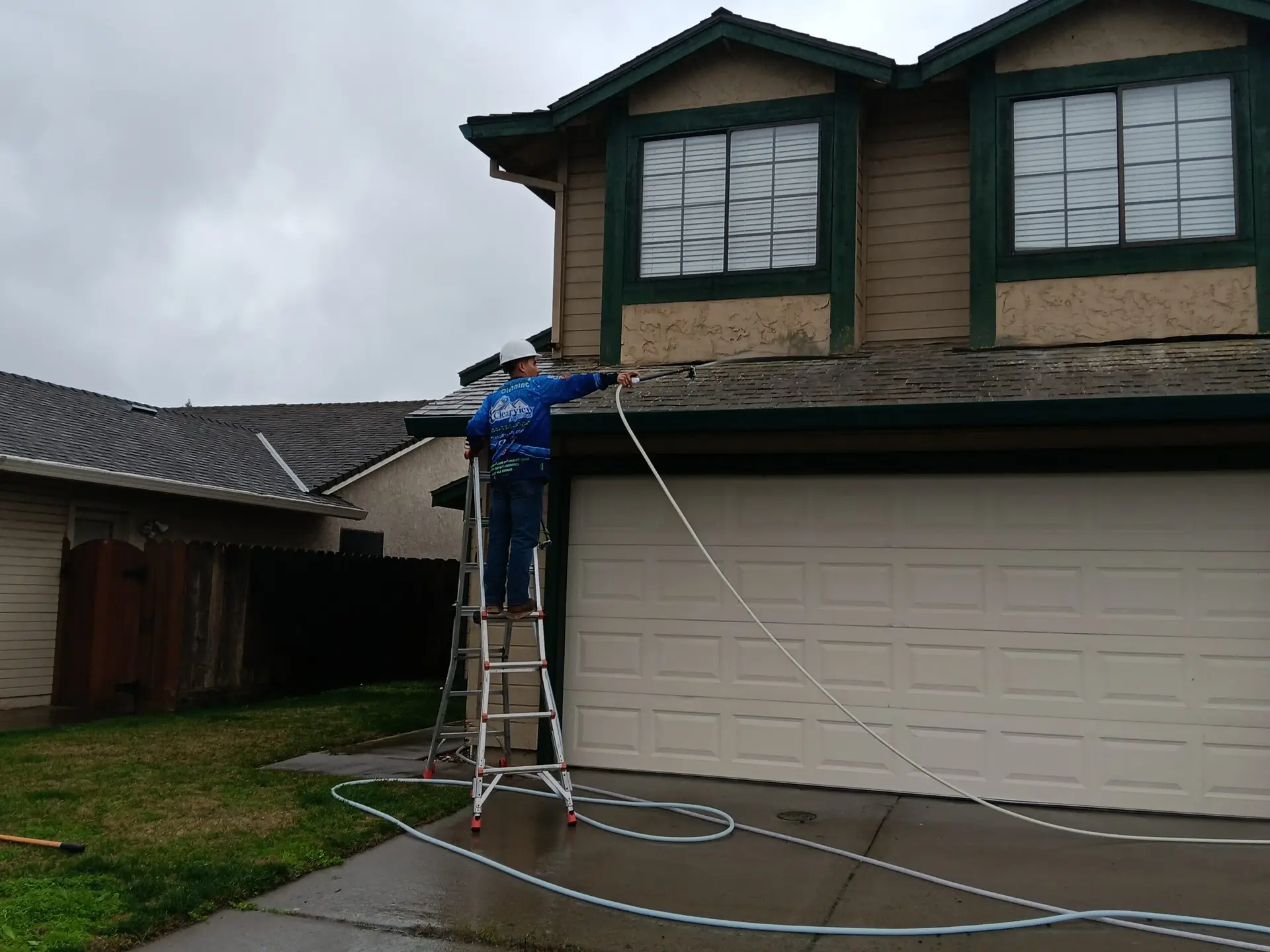
Discover the Top Benefits of Soft Washing for Your Home
Soft washing is an innovative cleaning method that utilizes low-pressure water combined with biodegradable cleaning agents to effectively clean and protect your home’s exterior surfaces. This technique not only removes dirt and grime but also helps control harmful mold, algae, and mildew growth. Homeowners often face challenges in maintaining the aesthetic and structural integrity of their homes, especially in areas prone to moisture and pollution. Soft washing offers a solution that is both effective and environmentally friendly, making it an ideal choice for home exterior maintenance. In this article, we will explore the definition of soft washing, its key benefits, and how it compares to traditional pressure washing methods.
What Is Soft Washing and How Does It Protect Your Home Exterior?
Soft washing is a cleaning technique that employs low-pressure water and specialized biodegradable cleaning agents to remove contaminants from surfaces without causing damage. This method is particularly effective for cleaning delicate materials such as roofs, siding, and decks. By using a gentle approach, soft washing minimizes the risk of surface damage that can occur with high-pressure washing methods. The biodegradable agents used in soft washing not only clean but also help control the future growth of mold, algae, and mildew, ensuring that your home remains clean and safe for longer periods.
How Does Soft Washing Use Low-Pressure Water and Biodegradable Cleaning Agents?
The soft washing process relies on low-pressure water to apply cleaning solutions evenly across surfaces. This technique allows for thorough cleaning without the risk of damaging the materials. Biodegradable cleaning agents are specifically formulated to break down organic matter, such as mold, algae, and mildew, making them highly effective in restoring the appearance of your home. These agents are safe for the environment and do not pose significant health risks to humans or pets when used as directed, making soft washing a responsible choice for homeowners.
Experts further elaborate on the specific techniques involved in low-pressure cleaning methods.
Low-Pressure Water Soft Cleaning Techniques
Low pressure water cleaning techniques often involve the use of low pressure sprays. Fine particle media has been developed for soft cleaning on a variety of surfaces.
Cleaning techniques, 2006
Why Is Soft Washing Safer Than Traditional Pressure Washing Methods?
Soft washing is considered safer than traditional pressure washing because it significantly reduces the risk of damage to surfaces. High-pressure washing can strip paint, dent siding, and even cause leaks in roofs. In contrast, soft washing gently cleans surfaces while preserving their integrity. Additionally, the use of biodegradable cleaning agents ensures that harmful chemicals do not persist in the environment, making it a more sustainable option for home maintenance.
The importance of gentle cleaning methods for building maintenance is also highlighted by industry recommendations.
Low-Pressure Hose for Building Cleaning & Maintenance
BRANZ recommend cleaning buildings with a ‘lowpressure hose and soft broom’ and home-owners’ warranties state that at least an annual inspection and cleaning of the building is necessary.
Evaluation of fluid pressures applied to the building envelope during maintenance, M Gjerde, 2010
What Are the Key Benefits of Soft Washing for Home Exteriors?
Soft washing offers numerous advantages for homeowners looking to maintain their property’s exterior. Here are some of the key benefits:
- Effective Cleaning: Soft washing effectively removes mold, algae, mildew, and dirt, restoring the original appearance of your home.
- Surface Preservation: This method helps preserve roofing, siding, and garage doors by preventing damage that can occur with high-pressure washing.
- Eco-Friendly Solutions: The biodegradable cleaning agents used in soft washing are safe for the environment and do not pose significant health risks when used properly.
For homeowners in Central California, Clearview SoftWash specializes in professional soft washing services, ensuring that your home is not only clean but also protected from future damage.
How Does Soft Washing Effectively Remove Mold, Algae, and Dirt?
Soft washing utilizes a combination of low-pressure water and specialized cleaning agents to penetrate and break down stubborn contaminants like mold, algae, and mildew. The cleaning agents work by targeting the organic matter, effectively lifting it away from the surface. This method not only cleans but also helps to prevent the regrowth of these harmful substances, ensuring that your home remains clean for an extended period.
In What Ways Does Soft Washing Preserve Roofing, Siding, and Garage Doors?
Soft washing is particularly beneficial for preserving various exterior surfaces. For instance, roofs can be damaged by high-pressure washing, leading to costly repairs. Soft washing, on the other hand, gently cleans the roof while protecting its materials. Similarly, siding and garage doors benefit from this method as it prevents scratches and dents that can occur with traditional pressure washing. By maintaining these surfaces, homeowners can extend their lifespan and enhance the overall curb appeal of their property.
How Does Soft Washing Compare to Pressure Washing for Residential Cleaning?
When comparing soft washing to pressure washing, it is essential to consider the specific needs of your home. While pressure washing can be effective for certain surfaces, it is not suitable for all materials. Soft washing provides a gentler alternative that is effective for delicate surfaces and offers long-lasting results.
What Are the Advantages of Soft Washing Over High-Pressure Techniques?
Soft washing has several advantages over high-pressure washing techniques:
- Gentle on Surfaces: Soft washing minimizes the risk of damage to delicate materials.
- Effective Cleaning: It effectively removes contaminants without the need for harsh pressure.
- Long-Lasting Results: The use of biodegradable agents helps control future growth of mold, algae, and mildew.
When Should Homeowners Choose Soft Washing Instead of Pressure Washing?
Homeowners should consider soft washing when dealing with sensitive surfaces such as roofs, painted siding, or any area where high pressure could cause damage. Additionally, if the goal is to remove organic growth like mold, algae, or mildew, soft washing is the preferred method due to its effectiveness and safety.
What Safe and Eco-Friendly Chemicals Are Used in Soft Washing?
The cleaning agents used in soft washing are specifically designed to be safe for both the environment and human health. These biodegradable solutions effectively break down organic materials without leaving harmful residues when applied and rinsed properly.
How Do Biodegradable Cleaning Agents Ensure Environmental and Health Safety?
Biodegradable cleaning agents are formulated to decompose naturally, reducing their impact on the environment. These agents are generally non-toxic and safe for use around children and pets when used according to manufacturer instructions, making them an ideal choice for homeowners concerned about health and safety.
The effectiveness and safety of these biodegradable agents have been scientifically validated through rigorous testing.
Biodegradability of Washing & Cleaning Agents
Sufficient biodegradability of majority of washing and cleaning agents was proved using Zahn-Wellens method (OECD method 302 B).
EVALUATION OF BIODEGRADABILITY OF WASHING AND CLEANING AGENTS ACCORDING TO OECD METHODS, 2002
What Certifications and Standards Support the Use of These Cleaning Agents?
Many biodegradable cleaning agents used in soft washing are certified by environmental organizations, ensuring they meet safety and efficacy standards. These certifications provide homeowners with peace of mind that they are using products that are both effective and environmentally responsible.
How Does Soft Washing Benefit Specific Home Exterior Components?
Soft washing provides targeted benefits for various components of a home’s exterior, ensuring that each area is properly maintained.
What Are the Advantages of Soft Washing for Roof Cleaning?
Soft washing is particularly advantageous for roof cleaning as it prevents damage that can occur with high-pressure methods. By using a gentle approach, soft washing helps to maintain the integrity of roofing materials while effectively removing dirt and organic growth. This not only enhances the roof’s appearance but also extends its lifespan, ultimately increasing property value.
How Does Soft Washing Safely Clean Garage Doors and Siding?
Garage doors and siding can be sensitive to high-pressure washing, which can lead to scratches and dents. Soft washing provides a safe alternative that effectively cleans these surfaces without causing damage. The biodegradable cleaning agents used in the process ensure that dirt and grime are removed while protecting the materials from harm.
What Maintenance Tips Should Homeowners Follow After Soft Washing?
After soft washing, homeowners should follow specific maintenance tips to ensure the longevity of their home’s exterior.
How Often Should Soft Washing Be Scheduled for Optimal Home Exterior Care?
It is recommended that homeowners schedule soft washing every 1-3 years, depending on environmental conditions and the level of exposure to dirt and organic growth. Regular maintenance helps to keep surfaces clean and prevents the buildup of harmful contaminants.
What Are Recommended Practices to Extend the Benefits of Soft Washing?
To extend the benefits of soft washing, homeowners should consider the following practices:
- Regular Inspections: Check for signs of mold, algae, or mildew growth between cleanings.
- Prompt Repairs: Address any damage to surfaces promptly to prevent further issues.
- Professional Services: Hire professionals for regular soft washing to ensure effective cleaning and maintenance.
By following these tips, homeowners can maximize the benefits of soft washing and maintain the beauty and integrity of their homes for years to come.
Frequently Asked Questions
1. Can soft washing be used on all types of home exteriors?
Yes, soft washing is safe for a variety of home exterior materials such as roofs, siding, decks, and garage doors. This gentle cleaning technique is particularly effective on delicate surfaces, protecting them from damage that can occur with high-pressure cleaning methods. However, always consult with professionals to determine the best approach for your specific materials and environmental conditions.
2. How long do the results of soft washing typically last?
The results of soft washing can last anywhere from one to three years, depending on various factors such as environmental exposure, local weather conditions, and the specific materials of your home. Regular maintenance and prompt addressing of any mold or algae growth can help prolong the effectiveness of soft washing.
3. Is soft washing eco-friendly and safe for pets?
Yes, soft washing uses biodegradable cleaning agents that are environmentally friendly and safe for pets when applied according to manufacturer instructions. These agents break down organic contaminants without leaving harmful residues, ensuring a safe environment for both your family and pets.
4. What are the potential risks of not maintaining home exteriors?
Neglecting regular maintenance of home exteriors, such as failing to address mold or algae growth, can lead to serious issues. Accumulation of these substances can cause deterioration of surfaces, leading to costly repairs, decreased property value, and potential health risks due to mold exposure. Regular soft washing can prevent these problems by maintaining cleanliness and integrity.
5. How can homeowners prepare their property for soft washing?
To prepare for soft washing, homeowners should remove outdoor furniture, potted plants, and any items that may obstruct access to the surfaces being cleaned. It is also advisable to cover delicate plants and electrical fixtures. Discussing these preparations with your soft washing service can help ensure a smooth process.
6. Are there any warranties or guarantees associated with soft washing services?
Many professional soft washing companies offer warranties or guarantees for their services, ensuring customer satisfaction and addressing any potential issues post-cleaning. It’s important to inquire about these provisions before hiring a service to ensure that you receive quality work that is backed by a guarantee.
7. What should homeowners look for when choosing a soft washing service provider?
When choosing a soft washing service, homeowners should look for providers with proper certifications, positive reviews, and experience in the industry. Additionally, ensure the company uses eco-friendly cleaning solutions and offers clear pricing and detailed service descriptions. This will help ensure a thorough and safe cleaning process for your home.
Soft Washing vs. Pressure Washing: Why Choose the Gentle Method?
Utilizing soft washing techniques offers homeowners effective cleaning while preserving the integrity of their home’s exterior. This eco-friendly method protects surfaces from damage and controls harmful growth, enhancing the overall aesthetic appeal. Regular maintenance through soft washing can significantly increase the longevity of your home’s exterior features. Discover how our professional soft washing services can help maintain your property for years to come.