Frequently Asked Questions
How can I effectively use soft washing for my home?
Effectively using soft washing for your home involves applying a gentle cleaning solution to surfaces like roofs, siding, and patios, allowing it to dwell for a short time before rinsing off. This method ensures thorough sanitization without damaging the materials.
What surfaces are suitable for soft washing?
The surfaces suitable for soft washing include roofs, siding, decks, fences, and concrete driveways. This gentle cleaning method effectively removes dirt, mold, and mildew without damaging delicate materials.
What are the advantages of soft washing compared to traditional cleaning methods?
The advantages of soft washing compared to traditional cleaning methods include its ability to effectively sanitize surfaces without causing damage, using low pressure to protect delicate materials, and employing eco-friendly solutions that are safe for both people and the environment.
How often should I consider soft washing my property?
The frequency of soft washing your property should be considered every 1 to 3 years, depending on factors like location, weather conditions, and surface type. Regular maintenance helps prevent buildup and ensures a clean, safe environment.
What should I look for in a soft wash service provider?
When looking for a soft wash service provider, prioritize their experience, customer reviews, and the use of safe, effective cleaning solutions to ensure quality results and protection for your surfaces.
What is soft washing and its benefits?
Soft washing is a gentle cleaning method that uses low pressure and specialized solutions to safely remove dirt, algae, and contaminants from surfaces. Its benefits include effective sanitization, preservation of surfaces, and enhanced curb appeal without the risk of damage.
How does soft washing protect surfaces?
Soft washing protects surfaces by using low-pressure water combined with specialized cleaning solutions that effectively eliminate dirt, mold, and mildew without causing damage. This gentle approach ensures longevity and maintains the integrity of various surfaces.
Can soft washing remove mold and mildew?
Soft washing is effective in removing mold and mildew. This gentle cleaning method uses low-pressure water combined with specialized cleaning solutions that eliminate these contaminants, ensuring a thorough sanitization of surfaces without causing damage.
What equipment is needed for soft washing?
The equipment needed for soft washing includes a low-pressure washer, specialized nozzles, a chemical injector, and eco-friendly cleaning solutions to effectively sanitize surfaces without causing damage.
Is soft washing safe for all surfaces?
Soft washing is safe for most surfaces, including roofs, siding, and decks, as it uses low-pressure techniques and eco-friendly cleaning solutions. However, it's essential to consult with a professional to ensure compatibility with specific materials.
How does soft washing compare to pressure washing?
Soft washing differs from pressure washing in that it utilizes low pressure and specialized cleaning solutions to safely sanitize surfaces, while pressure washing relies on high pressure to remove dirt and grime. This makes soft washing ideal for delicate surfaces.
What chemicals are used in soft washing?
The chemicals used in soft washing primarily include a mixture of sodium hypochlorite, surfactants, and water. This combination effectively removes dirt, mold, and mildew while ensuring the safety of surfaces being cleaned.
How long does a soft wash last?
The duration of a soft wash's effectiveness typically lasts between six months to a year, depending on environmental factors and surface conditions. Regular maintenance can help extend the cleanliness and longevity of the results.
Can I perform soft washing myself?
Performing soft washing yourself is possible, but it requires the right equipment, knowledge of cleaning solutions, and safety precautions. For optimal results and to ensure safety, hiring a professional service like Clearview SoftWash is recommended.
What is the cost of professional soft washing?
The cost of professional soft washing varies based on factors such as the size of the area, the type of surface being cleaned, and the specific services required. On average, prices can range from $0.15 to $0.50 per square foot.
How do I prepare my home for soft washing?
Preparing your home for soft washing involves clearing the area of furniture, decorations, and any fragile items, as well as ensuring that windows and doors are closed tightly to prevent water intrusion.
What are common mistakes in soft washing?
Common mistakes in soft washing include using high pressure instead of the recommended low pressure, neglecting to pre-treat surfaces, and failing to use the appropriate cleaning solutions for specific materials. These errors can lead to damage and ineffective cleaning.
How does weather affect soft washing results?
Weather significantly impacts soft washing results. Ideal conditions, such as mild temperatures and overcast skies, enhance the effectiveness of cleaning solutions, while extreme heat or direct sunlight can cause rapid drying, reducing the efficacy of the wash.
What should I expect during a soft wash?
During a soft wash, you can expect a gentle yet effective cleaning process that utilizes low-pressure water combined with specialized cleaning solutions. This method safely removes dirt, mold, and mildew from surfaces, leaving them sanitized and looking like new.
Are there eco-friendly options for soft washing?
Eco-friendly options for soft washing are available and utilize biodegradable cleaning solutions that effectively sanitize surfaces without harming the environment. These methods ensure a thorough clean while prioritizing safety for both people and nature.
How can I find a reliable soft wash service?
Finding a reliable soft wash service involves researching local providers, checking customer reviews, and verifying their credentials and experience. Look for companies that specialize in soft washing and offer guarantees for their work to ensure quality service.
What training do soft wash professionals need?
Soft wash professionals need specialized training in safe chemical handling, pressure settings, and surface-specific cleaning techniques. Additionally, they should be knowledgeable about equipment operation and safety protocols to ensure effective and safe cleaning practices.
How does soft washing improve curb appeal?
Soft washing enhances curb appeal by effectively removing dirt, mold, and mildew from surfaces, resulting in a fresh and clean appearance. This not only revitalizes your home’s exterior but also increases its overall value and attractiveness.
What surfaces should not be soft washed?
Certain surfaces should not be soft washed due to the risk of damage. These include unsealed wood, painted surfaces, and delicate materials like stucco or certain types of roofing. Always consult a professional before proceeding.
How often should soft washing be done?
The frequency of soft washing depends on various factors, including environmental conditions and surface type. Generally, it is recommended to soft wash surfaces every 1 to 3 years to maintain cleanliness and prevent buildup.
What are the signs my home needs soft washing?
The signs that your home needs soft washing include visible mold, mildew, or algae growth on surfaces, discoloration of siding or roofs, and a general buildup of dirt and grime.
Can soft washing be used on roofs?
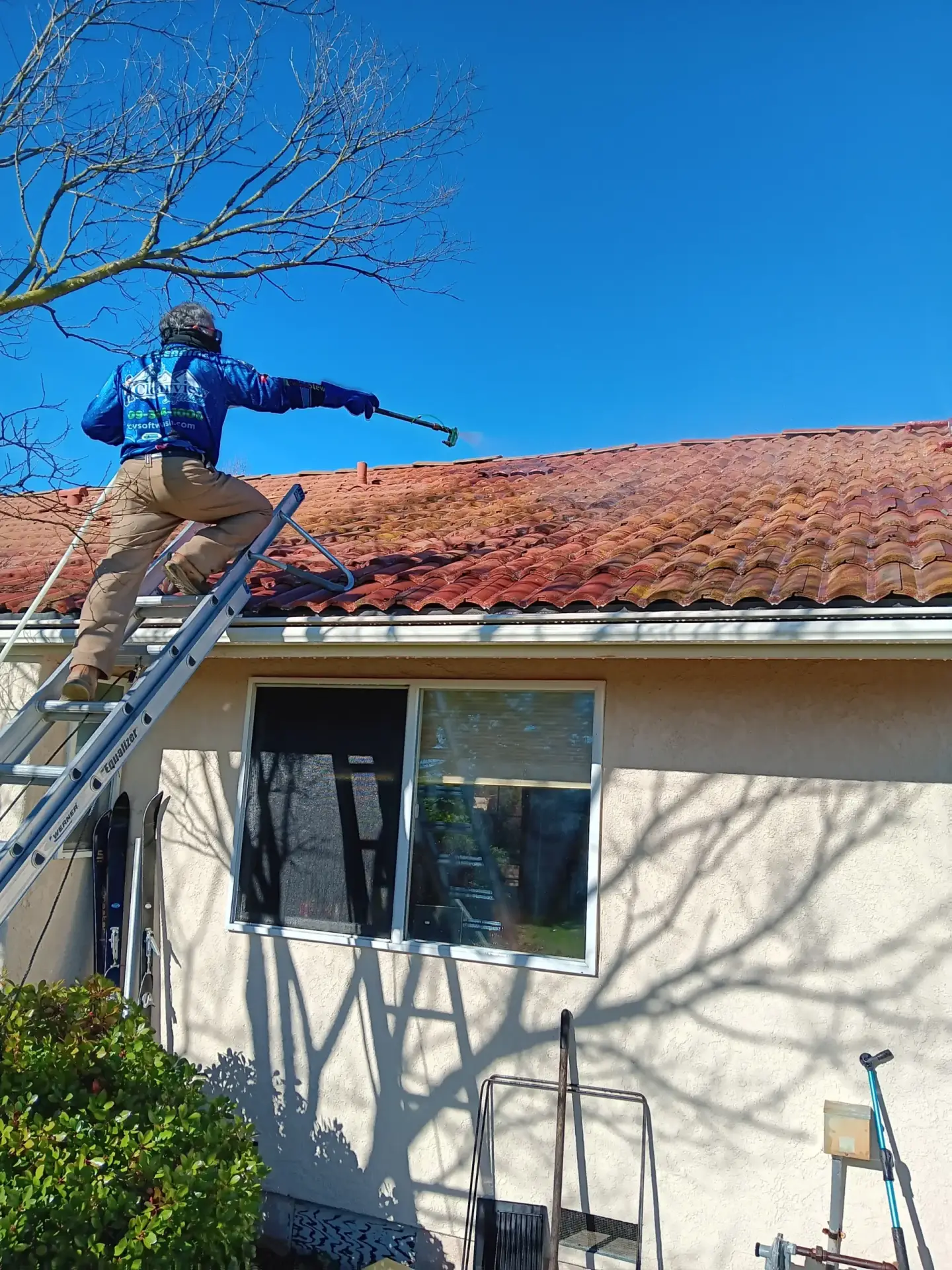
Soft washing can be effectively used on roofs. This gentle cleaning method safely removes dirt, algae, and moss without damaging roofing materials, ensuring a thorough sanitization while preserving the integrity of your roof.
What is the best time of year for soft washing?
The best time of year for soft washing is during mild weather, typically in spring or fall. This ensures optimal cleaning results while avoiding extreme temperatures that can affect the effectiveness of the cleaning solution.
How does soft washing enhance property value?
Soft washing enhances property value by effectively removing dirt, mold, and grime, which not only improves curb appeal but also prevents long-term damage to surfaces. This maintenance can lead to higher resale prices and greater buyer interest.
What are the risks of improper soft washing?
The risks of improper soft washing include potential damage to surfaces, such as peeling paint or erosion, as well as inadequate sanitization, which can lead to mold and mildew growth. This may compromise the safety and aesthetics of your property.