


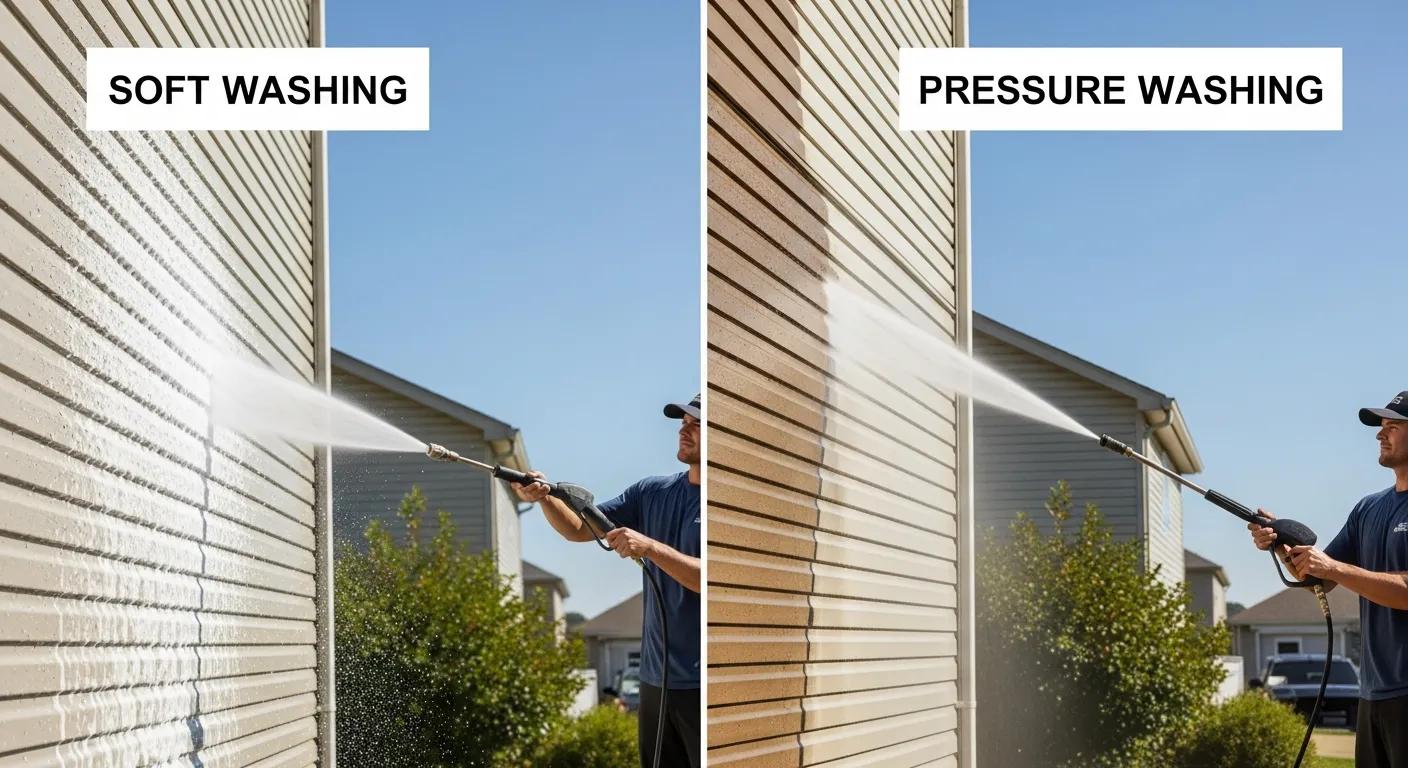
Understanding Soft Washing vs. Pressure Washing: Key Differences and Benefits for Safe Exterior Cleaning
When it comes to maintaining the exterior of your home, choosing the right cleaning method is crucial. Two popular techniques, soft washing and pressure washing, serve different purposes and are suited for various surfaces. This article will delve into the key differences between these methods, their benefits, and how to select the best option for your cleaning needs. By understanding these techniques, homeowners can make informed decisions that protect their property while achieving optimal cleanliness. We will explore the mechanics of soft washing, the risks associated with pressure washing, and the environmental considerations that influence these choices. Additionally, we will discuss how to schedule professional soft washing services in Central California, ensuring a safe and effective cleaning experience.
What Is Soft Washing and How Does It Work?
Soft washing is a gentle cleaning method that utilizes low-pressure water combined with specialized eco-friendly cleaning solutions to remove dirt, mold, algae, and mildew from surfaces. This technique is particularly effective for delicate materials, as it minimizes the risk of damage while providing a thorough clean. The process involves applying the cleaning solution to the surface, allowing it to dwell for a short period, and then rinsing it off with low-pressure water. This method not only cleans but also sanitizes surfaces, making it an excellent choice for maintaining the appearance and longevity of your home.
Which Surfaces Benefit Most from Soft Washing?
Soft washing is ideal for a variety of surfaces, including:
- Roofing Materials: Soft washing effectively removes algae and moss without damaging shingles or tiles.
- Siding: Vinyl, wood, and stucco siding can be cleaned safely, preventing deterioration and discoloration.
- Decks and Patios: This method protects the integrity of wood and composite materials while removing grime and stains.
By using soft washing, homeowners can ensure that their surfaces remain intact and visually appealing.
What Eco-Friendly Cleaning Agents Are Used in Soft Washing?
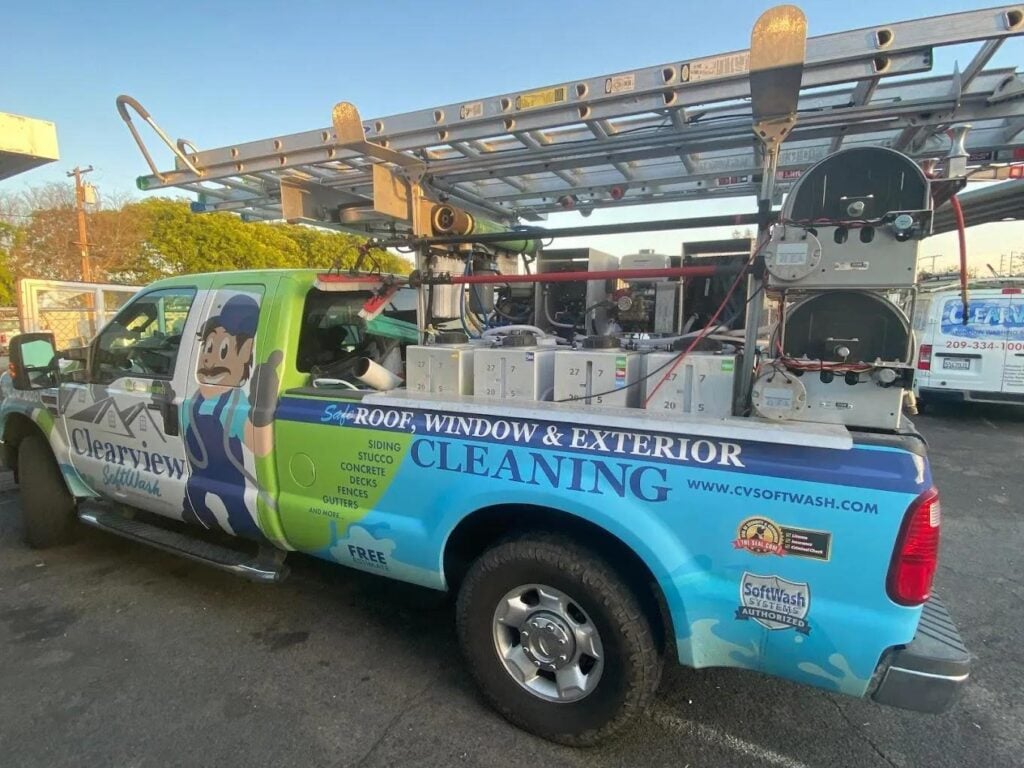
The cleaning agents used in soft washing are typically biodegradable and environmentally friendly. Common ingredients include:
- Sodium Hypochlorite: Effective for killing mold, algae, and mildew.
- Surfactants: Help the solution adhere to surfaces and improve cleaning efficiency.
- Water: The primary component that dilutes the cleaning agents, ensuring a gentle application.
These eco-friendly solutions not only clean effectively but also minimize environmental impact, making soft washing a responsible choice for homeowners.
What Are the Risks and Limitations of Pressure Washing?
While pressure washing can be effective for certain applications, it carries inherent risks that homeowners should be aware of. The high-pressure water stream can cause damage to various surfaces if not used correctly.
How Can Pressure Washing Damage Garage Doors and Siding?
Pressure washing can lead to several types of damage, including:
- Dents and Dings: High pressure can dent soft metals like aluminum.
- Paint Damage: The force can strip paint from surfaces, leading to costly repairs.
- Water Intrusion: Improper technique can force water into seams and cracks, causing mold growth and structural damage.
Understanding these risks is essential for homeowners considering pressure washing as a cleaning method.
When Is Pressure Washing Not Recommended?
There are specific situations where pressure washing should be avoided, such as:
- Delicate Surfaces: Materials like wood, stucco, and certain types of siding can be damaged.
- Older Structures: Homes with aging materials may not withstand the pressure.
- Moldy Surfaces: Pressure washing can spread mold spores if not done carefully.
In these cases, soft washing is often the safer and more effective option.
Comparing Soft Washing and Pressure Washing for Safe Exterior Cleaning
Soft washing offers numerous advantages for cleaning garage doors and other exterior surfaces.
- Gentle on Surfaces: The low-pressure application prevents damage to delicate materials.
- Effective Cleaning: Soft washing removes dirt, mold, algae, and mildew effectively, enhancing curb appeal.
- Long-Lasting Results: The cleaning agents used in soft washing can inhibit future growth of mold, algae, and mildew.
These benefits make soft washing a preferred choice for homeowners looking to maintain their property’s exterior.
How Does Soft Washing Protect Delicate Surfaces?
Soft washing protects delicate surfaces by using low pressure and eco-friendly cleaning solutions. This method ensures that materials like wood and vinyl are not subjected to the damaging effects of high-pressure water. By effectively removing contaminants without causing harm, soft washing extends the life of these surfaces and maintains their aesthetic appeal.
What Are the Long-Term Effects on Surface Longevity?
The long-term effects of soft washing on surface longevity are significant. Regular soft washing can:
- Extend Lifespan: By preventing mold, algae, and mildew buildup, surfaces remain intact longer.
- Reduce Maintenance Costs: Fewer repairs and replacements lead to cost savings over time.
- Enhance Property Value: A well-maintained exterior can increase the overall value of a home.
These factors highlight the importance of choosing the right cleaning method for long-term property care.
How Do Environmental and Safety Considerations Influence Cleaning Method Choice?
When selecting a cleaning method, environmental and safety considerations play a crucial role.
What Are the Environmental Advantages of Soft Washing?
Soft washing is environmentally friendly due to its use of biodegradable cleaning agents and lower water consumption compared to pressure washing. This method minimizes runoff and reduces the risk of chemical pollution, making it a sustainable choice for homeowners.
How Does Soft Washing Ensure Safety for Homeowners and Properties?
Soft washing enhances safety by reducing the risk of damage to surfaces and preventing the spread of mold and mildew. This method also minimizes the likelihood of accidents associated with high-pressure water streams, making it a safer option for both homeowners and cleaning professionals.
How Can Customers Schedule Professional Soft Washing Services in Central California?
Scheduling professional soft washing services is straightforward and can be done through various methods. Homeowners can contact service providers directly via phone or email to inquire about services and pricing.
What Should Clients Expect During a Soft Washing Service?
During a soft washing service, clients can expect:
- Initial Assessment: A thorough evaluation of the surfaces to be cleaned.
- Preparation: Protection of surrounding areas to prevent damage.
- Application: The cleaning solution is applied, followed by a gentle rinse.
This process ensures a comprehensive and safe cleaning experience.
How Does Clearview SoftWash Ensure Quality and Customer Satisfaction?
Clearview SoftWash prioritizes quality and customer satisfaction by employing trained professionals who use the latest techniques and equipment. Their commitment to eco-friendly practices and attention to detail ensures that clients receive the best possible service, resulting in clean and well-maintained exteriors.
| Cleaning Method | Key Features | Best For | Risks |
|---|---|---|---|
| Soft Washing | Low pressure, eco-friendly solutions | Delicate surfaces, mold, algae, and mildew removal | Minimal risk of damage |
| Pressure Washing | High pressure, quick cleaning | Hard surfaces, heavy grime | Potential for damage, water intrusion |
This table summarizes the key differences between soft washing and pressure washing, helping homeowners make informed decisions based on their specific needs.
In conclusion, understanding the differences between soft washing and pressure washing is essential for maintaining the exterior of your home. By choosing the right method, homeowners can protect their property while achieving effective cleaning results. For those in Central California, Clearview SoftWash offers professional soft washing services that prioritize quality and customer satisfaction.
Conclusion
Understanding the distinctions between soft washing and pressure washing empowers homeowners to make informed choices for their property maintenance. Soft washing not only protects delicate surfaces but also provides long-lasting cleanliness and enhances curb appeal. By opting for professional services like those offered by Clearview SoftWash, you can ensure a safe and effective cleaning experience. Discover how our eco-friendly solutions can transform your home’s exterior today.